

On this page
- Important Disclaimer
- Introduction
- The Student Mental Health Crisis in India
- The Unique Pressure of the Indian Education System
- Understanding Exam Stress vs. Academic Burnout
- The Hidden Cost of Academic Pressure
- Why Students Hesitate to Seek Help
- How Online Counseling Helps Students
- What Therapy Can Help With
- Types of Therapy Effective for Students
- Affordable Counseling Options for Students
- Practical Coping Strategies
- When to Seek Immediate Help
- Talking to Parents About Therapy
- References & Citations
- Conclusion
- About the Author
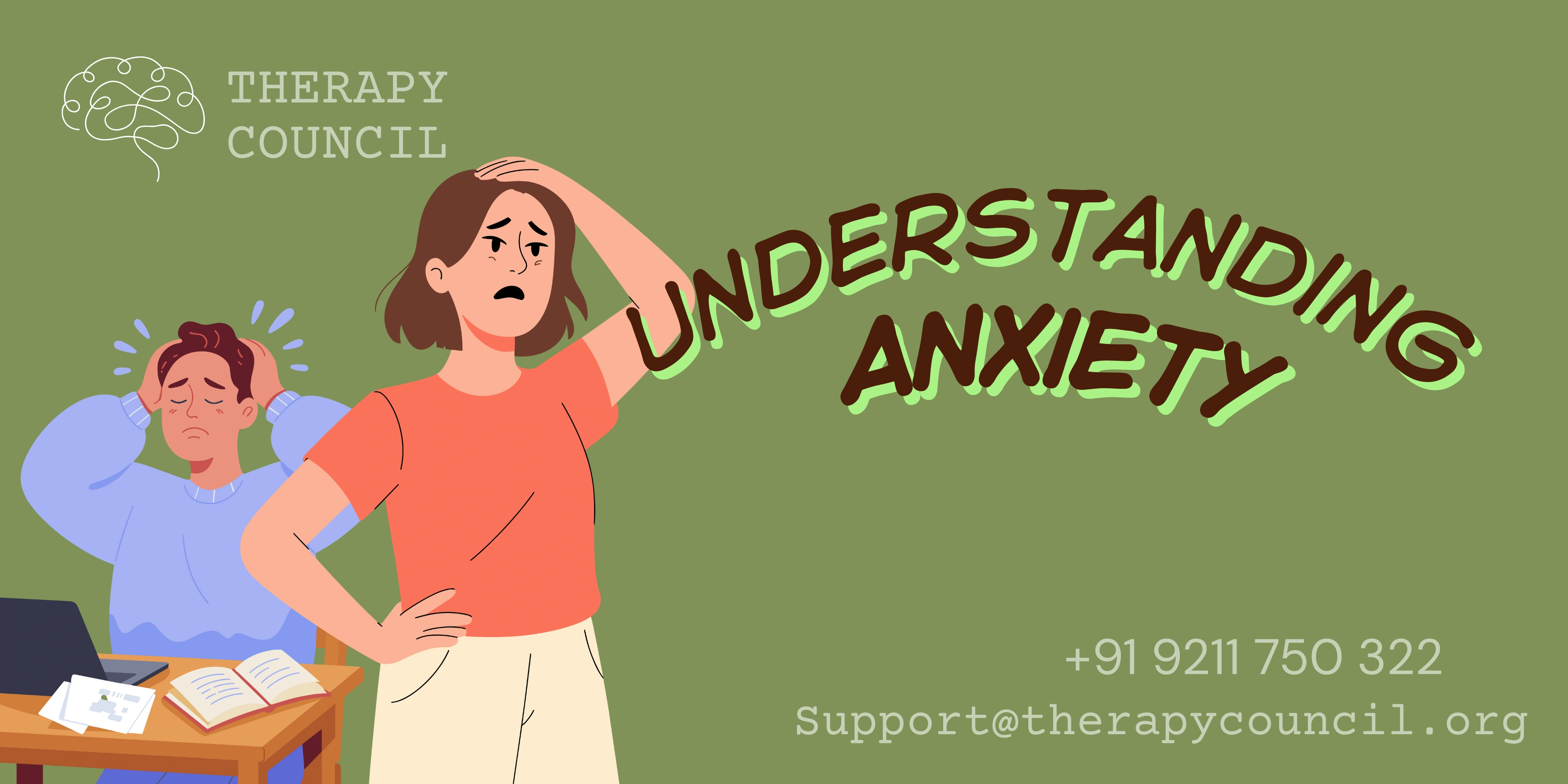
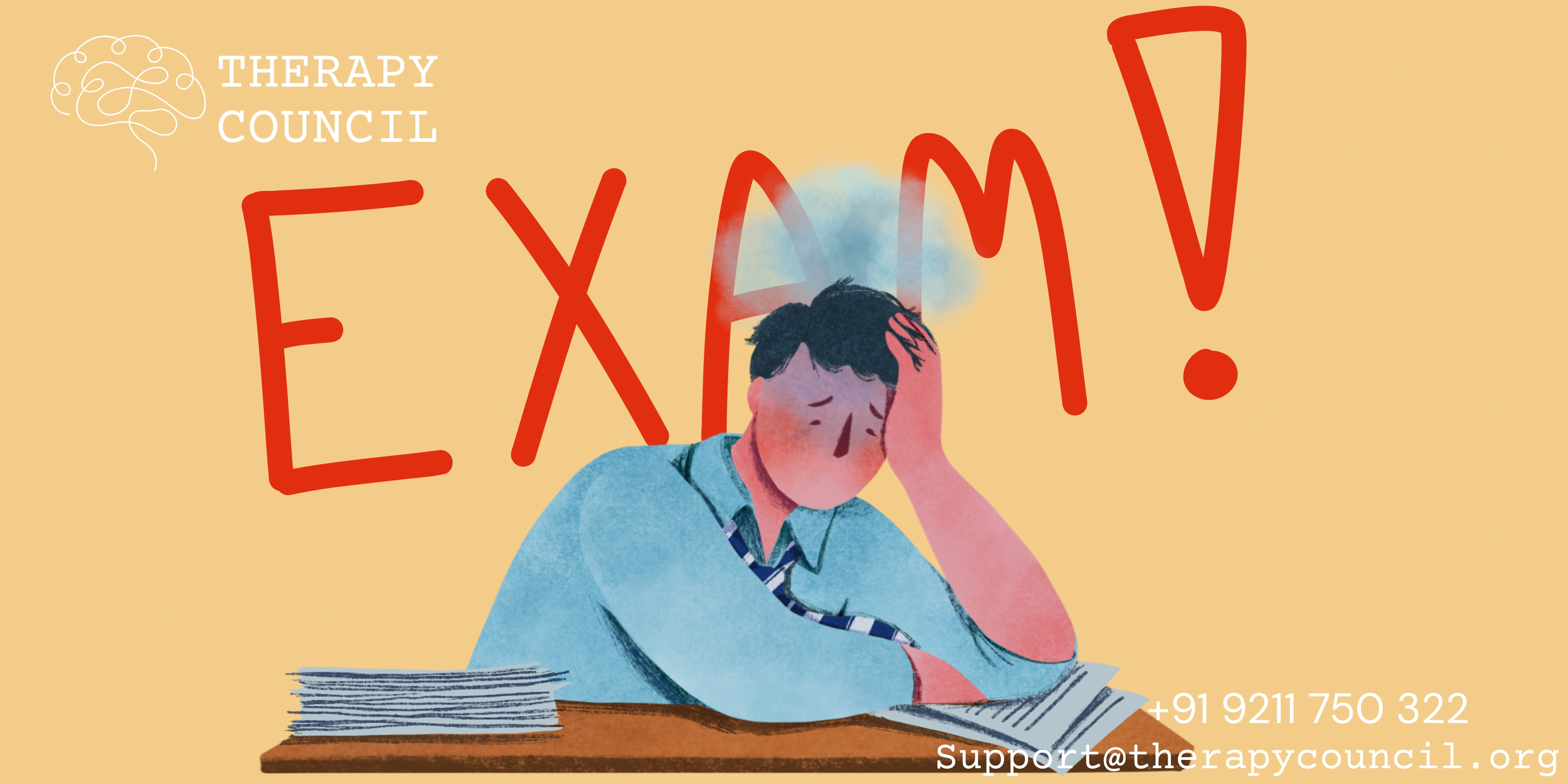
It's 2 AM. Your textbooks are open, but the words blur together. Your chest feels tight. You've been studying for hours, but nothing seems to stick. Tomorrow's exam looms, and panic whispers that you're not prepared enough, not smart enough, not good enough. Sleep feels impossible. Your parents have sacrificed so much. Your entire future feels like it depends on these marks.
If this sounds familiar, you're not alone. Academic stress has become a silent epidemic among Indian students, affecting mental health on an unprecedented scale. But here's what many students don't know: struggling with exam stress doesn't make you weak, and seeking help doesn't mean you're failing. It means you're taking your wellbeing seriously.
The Student Mental Health Crisis in India
The numbers are alarming. According to the National Crime Records Bureau, student suicides in India increased by 70% between 2007 and 2016, with academic pressure cited as a leading cause. A 2018 survey by ASSOCHAM found that 68% of Indian students suffer from stress, anxiety, and depression.
The World Health Organization reports that India has one of the highest rates of student suicide globally, with failure in examinations being a significant contributing factor. A 2019 study published in the Indian Journal of Psychiatry found that 46% of students experience moderate to severe exam-related anxiety.
These aren't just statistics. They represent real students who feel trapped by academic expectations, overwhelmed by competition, and unable to see a way forward.
The Unique Pressure of the Indian Education System
Indian students face pressures that are culturally specific and often overwhelming:
Board Exam Pressure
Class 10th and 12th board exams are treated as life-defining moments. Students are told these marks determine their entire future. The pressure starts months, sometimes years, before the actual exams.
A 2020 study in the Journal of Indian Association for Child and Adolescent Mental Health found that board exam periods see a 40% increase in anxiety-related hospital visits among teenagers.
Competitive Exam Stress
NEET (National Eligibility cum Entrance Test): Over 1.5 million students compete for approximately 83,000 medical seats annually. The acceptance rate is around 5%. This extreme competition creates immense psychological pressure.
JEE (Joint Entrance Examination): Nearly 1 million students appear for JEE Advanced, competing for about 16,000 IIT seats. The success rate is approximately 1.6%.
Other Competitive Exams: UPSC, CAT, CLAT, GATE, and countless others create similar high-stakes environments where years of preparation can feel wasted with a single poor performance.
Research in the Asian Journal of Psychiatry (2019) found that students preparing for competitive exams show significantly higher rates of depression, anxiety, and sleep disorders compared to peers not in competitive exam preparation.
Coaching Culture
Many students attend school during the day and coaching classes until late evening, leaving minimal time for rest, hobbies, or social connection. This relentless schedule contributes to burnout.
A 2021 study published in Frontiers in Psychology found that students attending coaching classes for more than 4 hours daily showed significantly higher stress levels and lower life satisfaction.
Parental Expectations
Many Indian parents see their children's academic success as a reflection of family honor and their own sacrifices. Students carry not just their own dreams, but their parents' expectations, family reputation, and sometimes the financial burden of their education.
The pressure to pursue specific careers (engineering, medicine, civil services) even when interests lie elsewhere creates internal conflict and resentment.
Peer Competition
Constant comparison with classmates, relatives' children, and neighbors creates a toxic environment where self-worth becomes tied to rank and percentile. Social media amplifies this with carefully curated success stories.
Limited Career Counseling
Many students don't receive proper guidance about diverse career paths. The "doctor, engineer, or failure" mentality persists, making students feel their options are limited to a few prestigious fields.
Understanding Exam Stress vs. Academic Burnout
Normal Exam Stress
Some stress before exams is natural and can even be motivating. Normal exam stress includes:
- Mild nervousness before exams
- Increased focus during study periods
- Temporary sleep changes
- Feeling relieved after exams end
- Ability to take breaks and relax
Academic Burnout
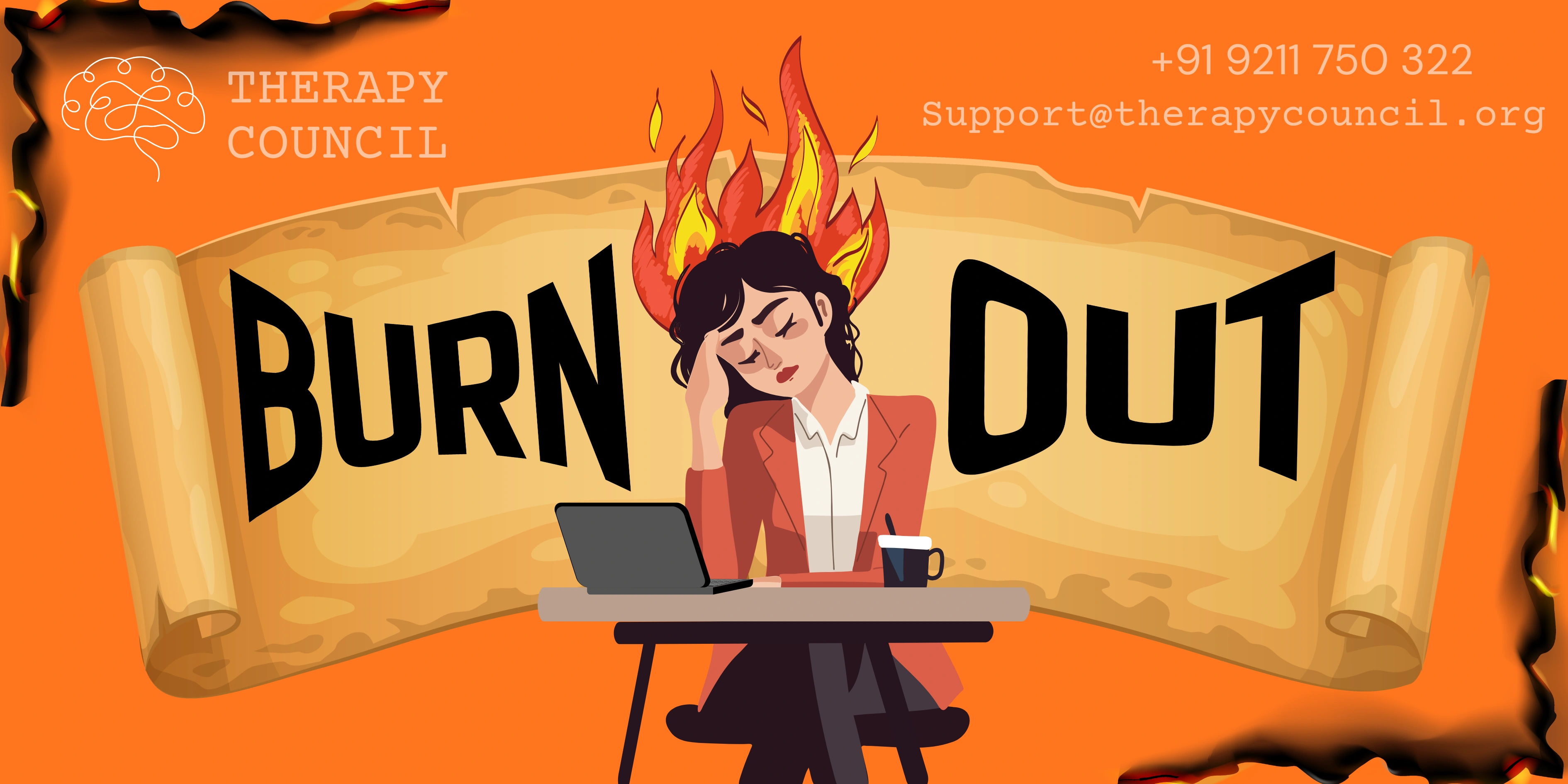
Burnout goes beyond normal stress. Warning signs include:
Physical Symptoms:
- Chronic fatigue despite rest
- Frequent headaches or stomach aches
- Changes in appetite (eating too much or too little)
- Weakened immune system (getting sick frequently)
- Sleep problems (insomnia or excessive sleeping)
- Muscle tension and body aches
Emotional Symptoms:
- Feeling hopeless or worthless
- Constant anxiety or panic attacks
- Crying spells
- Irritability and mood swings
- Numbness or emotional detachment
- Loss of interest in activities you once enjoyed
- Feeling trapped with no way out
Cognitive Symptoms:
- Difficulty concentrating
- Memory problems
- Racing thoughts that won't stop
- Inability to retain information despite studying
- Constant negative self-talk
- Catastrophic thinking ("If I fail, my life is over")
Behavioral Symptoms:
- Procrastination despite knowing consequences
- Social withdrawal from friends and family
- Changes in eating habits
- Increased use of stimulants (caffeine, energy drinks)
- Sleep avoidance or excessive sleeping
- Decline in personal hygiene
- Self-harm or thoughts of suicide
A 2020 study in the Journal of Affective Disorders found that academic burnout significantly increases risk for clinical depression, anxiety disorders, and suicidal ideation.
The Hidden Cost of Academic Pressure
Mental Health Impact
Research published in The Lancet Psychiatry (2019) found that academic stress is a primary trigger for first episodes of depression and anxiety disorders in adolescents and young adults.
The pressure doesn't end with exams. Even after achieving good marks, many students experience post-exam depression, sudden loss of purpose, or imposter syndrome in competitive colleges.
Physical Health Consequences
Chronic stress affects the body. Students experience:
- Weakened immune systems
- Digestive problems
- Cardiovascular issues from chronic stress
- Hormonal imbalances
- Chronic pain conditions
A 2018 study in Stress and Health journal found that students with high academic stress had significantly elevated cortisol levels and inflammatory markers.
Social Isolation
Academic pressure often requires sacrificing friendships, hobbies, and family time. This isolation worsens mental health and removes crucial support systems.
Identity Crisis
When your entire identity revolves around academic achievement, poor performance or failure feels like a complete loss of self. Many students don't know who they are beyond their marks and rank.
Lost Opportunities
The narrow focus on specific exams and careers means students miss exploring diverse interests, developing varied skills, and discovering alternative paths that might suit them better.
Why Students Hesitate to Seek Help
Despite struggling, most students don't seek mental health support. Common barriers include:
Fear of Judgment
"What will my parents think?" "Will my friends think I'm weak?" The stigma around mental health in India makes students suffer in silence rather than risk being labeled.
Minimization of Struggles
Students are told "everyone goes through this" or "this is normal student life." While academic stress is common, its severity and impact vary. Your struggle is valid even if others seem to handle it better.
Time Constraints
"I don't have time for therapy, I need to study." But poor mental health makes studying inefficient. One hour of therapy can improve your productivity far more than one more hour of anxious, unfocused studying.
Cost Concerns
Therapy feels like a luxury when finances are already stretched for education. However, affordable options exist specifically for students.
Not Knowing Where to Start
The mental health system can feel confusing. Students don't know what type of help they need or how to access it.
Fear of Parental Reaction
Many students worry parents will be angry, dismissive, or see mental health support as shameful rather than helpful.
How Online Counseling Helps Students
Online counseling offers specific advantages for students dealing with academic stress:
Accessibility
You don't need to travel to a clinic. Sessions happen from your room, hostel, or anywhere private. This is especially valuable for students in coaching cities away from family or those in areas with limited mental health resources.
Flexibility
Online platforms offer evening and weekend slots that fit around classes and study schedules. You can attend a session during a study break without losing an entire evening to travel.
Affordability
Online counseling typically costs 30-50% less than in-person therapy. Many platforms offer specific student rates, sliding scale fees, or packages that make regular support affordable.
Privacy
You can attend sessions without anyone knowing. No risk of running into someone you know in a clinic waiting room. This privacy is crucial for students worried about judgment.
Continuity
If you move cities for college, coaching, or exams, your therapist stays with you. No need to restart the therapeutic process with someone new.
Immediate Access
Many online platforms offer quicker appointments than traditional clinics. When you're in crisis during exam season, waiting weeks for an appointment isn't feasible.
What Therapy Can Help With
Managing Exam Anxiety
Cognitive Behavioral Therapy (CBT) is highly effective for test anxiety. A 2019 meta-analysis in Clinical Psychology Review found CBT significantly reduces exam anxiety and improves academic performance.
Therapists teach:
- Relaxation techniques for managing physical anxiety symptoms
- Cognitive restructuring to challenge catastrophic thoughts
- Exposure techniques to reduce test-day panic
- Time management and study strategies
- Sleep hygiene for better rest
Processing Academic Pressure
Therapy provides a safe space to:
- Express feelings you can't share with parents or friends
- Process the weight of expectations
- Distinguish between what you want and what others want for you
- Develop your own definition of success
- Build self-worth separate from academic achievement
Developing Coping Skills
Therapists teach practical skills:
- Stress management techniques
- Emotion regulation strategies
- Problem-solving approaches
- Communication skills for talking to parents
- Boundary-setting with peers and family
Building Resilience
Therapy helps you develop resilience for handling setbacks. Research in the Journal of Youth and Adolescence (2020) found that resilience training significantly reduces the impact of academic stress on mental health.
You learn that failure is feedback, not a definition of your worth. One exam, one year, one rejection doesn't determine your entire future.
Career Confusion and Decision-Making
Many students feel pressured into career paths that don't fit their interests or abilities. Therapy can help:
- Explore your actual interests and strengths
- Navigate conversations with parents about alternative paths
- Make decisions aligned with your values, not just external pressure
- Reduce anxiety about choosing the "wrong" path
Addressing Perfectionism
Perfectionism is rampant among high-achieving students. While it can drive success, it also creates anxiety, procrastination, and burnout.
A 2018 study in the Journal of Counseling Psychology found that therapy targeting perfectionism significantly improved mental health and academic satisfaction without decreasing achievement.
Types of Therapy Effective for Students
Cognitive Behavioral Therapy (CBT)
CBT is the most researched approach for anxiety and depression. It helps identify and change unhelpful thought patterns.
For students, CBT addresses:
- "I must get top rank or I'm worthless" thinking
- Catastrophizing about exam outcomes
- All-or-nothing thinking about success
- Anxiety spirals before exams
Evidence: Multiple studies show CBT significantly reduces test anxiety and improves exam performance.
Mindfulness-Based Stress Reduction (MBSR)
MBSR teaches present-moment awareness to reduce stress reactivity. A 2019 study in Mindfulness journal found that MBSR programs for students significantly reduced anxiety and improved focus.
Techniques include:
- Breathing exercises for immediate calm
- Body scan for releasing physical tension
- Mindful studying to improve retention
- Present-moment focus to reduce worry about future outcomes
Acceptance and Commitment Therapy (ACT)
ACT helps you accept difficult thoughts and feelings while taking action toward your values.
For students:
- Accepting anxiety without letting it control behavior
- Clarifying what actually matters to you (not just grades)
- Taking valued action even when afraid
- Defusing from harsh self-criticism
Solution-Focused Brief Therapy (SFBT)
SFBT is practical and time-limited, making it ideal for students with limited time and budget. It focuses on solutions rather than dwelling on problems.
A 2020 study in the Journal of Systemic Therapies found SFBT effective for academic stress in just 6-8 sessions.
Supportive Counseling
Sometimes you just need someone to listen without judgment. Supportive counseling provides:
- A safe space to vent
- Validation of your experiences
- Emotional support through difficult periods
- Guidance without prescribing solutions
Affordable Counseling Options for Students
Student-Specific Pricing
Many online therapy platforms offer student discounts ranging from 20-50% off regular rates. Look for platforms that verify student status through college ID or enrollment proof.
Average costs:
- Regular online therapy: ₹1,000-2,500 per session
- Student rates: ₹500-1,500 per session
- Some platforms offer packages (e.g., 4 sessions for ₹3,000)
Sliding Scale Fees
Many therapists offer sliding scale pricing based on your financial situation. Don't hesitate to ask. Most therapists entered the field to help, and many accommodate students who genuinely need support but have limited resources.
College Counseling Services
Many colleges and universities offer free or low-cost counseling services to enrolled students. Check with your student health center or student services office.
Limitations: These services often have long waitlists and limited sessions per semester, but they're a good starting point.
NGO and Community Resources
Several organizations provide free or low-cost mental health services:
- iCALL (Tata Institute of Social Sciences): Free counseling helpline
- Vandrevala Foundation: Free mental health support
- Snehi: Crisis intervention and counseling
- COOJ Mental Health Foundation: Affordable services
Group Therapy
Group therapy costs significantly less than individual therapy (often 50-70% less) while providing peer support from others facing similar challenges.
App-Based Support
Several apps offer affordable mental health support:
- Chat-based therapy (typically ₹500-1,000 per month)
- Self-help programs with therapist check-ins
- Peer support communities
- Guided exercises and coping tools
While not a replacement for therapy, they can supplement professional support or provide help when therapy isn't immediately accessible.
Insurance Coverage
If your family has health insurance, check if it covers mental health services. The Insurance Regulatory and Development Authority of India (IRDAI) mandates that mental health be covered like physical health, though implementation varies.
Practical Coping Strategies Alongside Therapy
While therapy provides professional support, these strategies help manage day-to-day stress:
Box Breathing
Breathe in for 4 counts, hold for 4, exhale for 4, hold for 4. Repeat 5 times. This activates your parasympathetic nervous system, reducing stress response.
Research in Frontiers in Psychology (2017) found that controlled breathing significantly reduces test anxiety.
Study in Intervals
The Pomodoro Technique (25 minutes focused study, 5-minute break) prevents burnout and improves retention. Your brain needs breaks to consolidate information.
Physical Movement
Even 10 minutes of movement reduces stress hormones. Dance, walk, stretch. A 2019 study in Mental Health and Physical Activity found that brief exercise breaks during study sessions improved both mood and cognitive function.
Sleep Protection
Sleep is non-negotiable. Sleep deprivation impairs memory, focus, and emotional regulation far more than a few extra study hours help.
Research in Nature and Science of Sleep (2018) found that students who sacrificed sleep for studying performed worse on exams than those who prioritized 7-8 hours of sleep.
Connection Time
Schedule regular calls or time with friends and family. Isolation worsens mental health. Even 15 minutes of genuine connection helps.
Perspective Breaks
When catastrophizing, ask: "Will this matter in 5 years?" Most exam outcomes, while significant, don't determine your entire life trajectory as much as they feel in the moment.
When to Seek Immediate Help
Seek urgent support if you're experiencing:
- Thoughts of suicide or self-harm
- Inability to function (can't get out of bed, can't eat, can't focus at all)
- Panic attacks that won't subside
- Complete hopelessness about the future
- Plans to harm yourself
Immediate Resources:
- KIRAN Mental Health Helpline: 1800-599-0019
- Vandrevala Foundation: 1860-2662-345
- iCALL: 9152987821
- Snehi: 91-22-27546669
- Or visit your nearest emergency room
Your life is more valuable than any exam. Always.
Talking to Parents About Therapy
Many students worry about approaching parents. Here's how:
Choose the Right Time
Not during exam week or when parents are stressed. Find a calm moment when you can talk without interruption.
Be Direct
"I've been struggling with anxiety/stress about exams, and I think talking to a counselor would help me perform better."
Frame It as Performance Enhancement
"Therapy will help me study more effectively and manage exam stress so I can do my best."
Provide Information
Show them research about how therapy helps students. Many parents are more receptive when they understand it's evidence-based.
Emphasize Affordability
If cost is a concern, explain the affordable options available.
Offer to Include Them
Some parents feel more comfortable if they can talk to the therapist too. Many therapists offer family sessions.
If They Refuse
Explore options that don't require parental involvement: college counseling, helplines, or affordable self-pay options. Your mental health matters even if your parents don't initially understand.
References & Citations
- National Crime Records Bureau. (2016). Accidental Deaths & Suicides in India. Ministry of Home Affairs, Government of India.
- ASSOCHAM. (2018). Mental Wellness at the Workplace in India. Associated Chambers of Commerce and Industry of India.
- World Health Organization. (2019). Mental Health and Suicide Prevention in India. WHO Regional Office for South-East Asia.
- Indian Journal of Psychiatry. (2019). Prevalence of exam-related anxiety among Indian students. Indian Journal of Psychiatry, 61(4), 385-392.
- Journal of Indian Association for Child and Adolescent Mental Health. (2020). Board exam periods and anxiety-related hospital visits among teenagers. JIACAM, 16(2), 45-52.
- Asian Journal of Psychiatry. (2019). Depression, anxiety, and sleep disorders in competitive exam students. Asian Journal of Psychiatry, 42, 124-130.
- Frontiers in Psychology. (2021). Coaching classes and student stress levels. Frontiers in Psychology, 12, 678901.
- Journal of Affective Disorders. (2020). Academic burnout and clinical depression risk. Journal of Affective Disorders, 275, 112-119.
- The Lancet Psychiatry. (2019). Academic stress as trigger for depression and anxiety. The Lancet Psychiatry, 6(8), 678-685.
- Stress and Health. (2018). Cortisol levels and inflammatory markers in high academic stress students. Stress and Health, 34(4), 523-530.
- Clinical Psychology Review. (2019). CBT for test anxiety: A meta-analysis. Clinical Psychology Review, 71, 101-110.
- Journal of Youth and Adolescence. (2020). Resilience training and academic stress. Journal of Youth and Adolescence, 49(7), 1425-1437.
- Journal of Counseling Psychology. (2018). Perfectionism therapy and student mental health. Journal of Counseling Psychology, 65(4), 475-486.
- Mindfulness. (2019). MBSR programs for students: Anxiety and focus outcomes. Mindfulness, 10(8), 1656-1667.
- Journal of Systemic Therapies. (2020). Solution-Focused Brief Therapy for academic stress. Journal of Systemic Therapies, 39(2), 45-58.
- Frontiers in Psychology. (2017). Controlled breathing and test anxiety reduction. Frontiers in Psychology, 8, 1905.
- Mental Health and Physical Activity. (2019). Exercise breaks during study sessions. Mental Health and Physical Activity, 17, 100289.
- Nature and Science of Sleep. (2018). Sleep deprivation and exam performance. Nature and Science of Sleep, 10, 303-312.
Your Future Isn't Defined by One Exam
Here's the truth that gets lost in exam pressure: your worth isn't your marks. Your future isn't determined by one test, one year, or one rejection.
Many successful people failed important exams. Many struggled in school. Many took unconventional paths. Success is not linear.
The skills that matter most in life (resilience, creativity, emotional intelligence, communication) aren't measured by competitive exams. Taking care of your mental health is investing in these real-world skills.
You deserve support. You deserve to feel okay. You deserve a life beyond stress and anxiety. Seeking help isn't giving up on your goals. It's giving yourself the tools to pursue them sustainably.
Get Professional Student Counseling Today
At Therapy Council, we understand the unique pressures students face. We offer flexible scheduling, specialized support for exam anxiety, and complete confidentiality. Your mental health is as important as your marks. Get support today.
Book Your SessionThis article is for informational purposes only and is not a substitute for professional mental health advice, diagnosis, or treatment. If you're experiencing a mental health crisis, please contact emergency services or call the KIRAN Mental Health Helpline at 1800-599-0019.
Found this guide helpful? Share it with friends, family, or classmates who might benefit from understanding exam stress.