

On this page
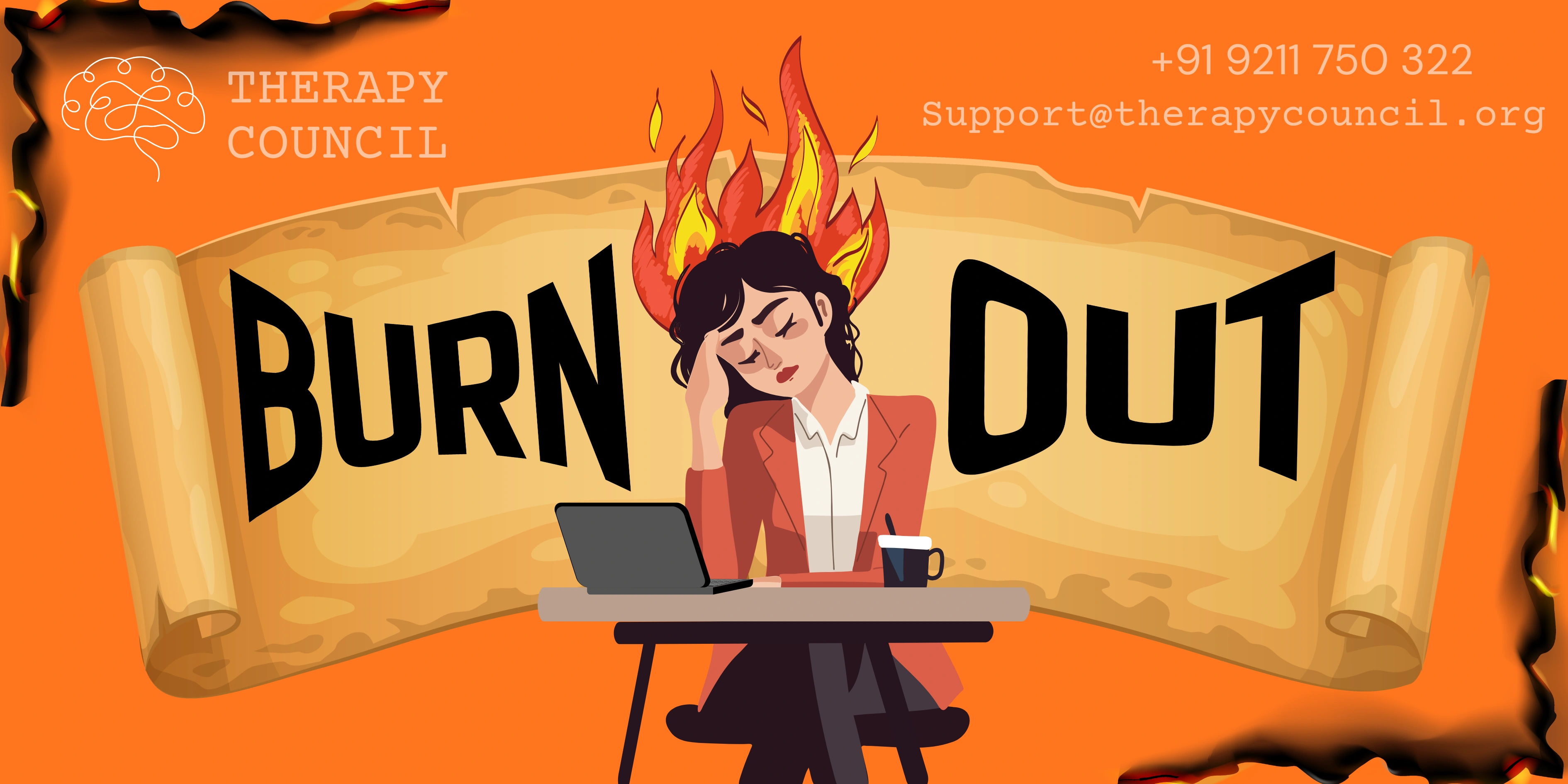
You wake up to your alarm, and instead of feeling ready for the day, you feel... nothing. Or worse, dread. Your coffee tastes like obligation. The Slack notifications make your chest tight before you even open your laptop. You used to care about your work, but now you're just going through the motions, counting down to the weekend that never feels long enough.
If this sounds familiar, you're not alone. Workplace burnout has become one of the defining struggles of this generation, affecting nearly 77% of professionals who report experiencing burnout at their current job. For millennials navigating an always-on work culture, the burnout crisis isn't just about working too hard - it's about working in ways that drain them completely.
What Exactly Is Workplace Burnout?
Burnout isn't just feeling tired after a long week. The World Health Organization officially recognizes it as an "occupational phenomenon" characterized by three dimensions:
- Energy depletion or exhaustion - You feel physically and emotionally drained, even after rest
- Increased mental distance from your job - You feel cynical, detached, or negative about your work
- Reduced professional efficacy - Your productivity drops, and you doubt your abilities
Think of burnout as your mind and body's emergency brake. It's not weakness - it's a signal that something in your work life is fundamentally unsustainable.
Why Millennials Are Experiencing Burnout Differently
This generation entered the workforce during economic uncertainty, graduated with record student debt, and came of age alongside smartphones that blurred every boundary between work and life. They were told to "find their passion" and "hustle harder," creating a perfect storm for burnout.
The Millennial Burnout Factors:
The Hustle Culture Trap: They've internalized the idea that their worth equals their productivity. Side hustles, personal brands, and constant optimization aren't just encouraged - they're expected.
Digital Overload: The average professional checks their email 15 times per day and receives 120 emails daily. They're accessible 24/7, and that accessibility has become an unspoken job requirement.
Blurred Boundaries: Working from home was supposed to give them flexibility. Instead, many never truly "leave" work. The laptop stays open after dinner. They answer Slack messages during dinner prep.
Economic Pressure: Despite working longer hours and being more educated than previous generations, many millennials struggle with housing costs, student loans, and stagnant wages - all while being labeled as "entitled."
Lack of Stability: Job security feels like a myth. They've watched layoffs, restructures, and the gig economy replace traditional career paths, creating constant underlying anxiety.
The Warning Signs You Shouldn't Ignore
Burnout doesn't happen overnight. It builds gradually, often masked by the ability to push through. Here are the red flags:
Physical Symptoms:
- Chronic fatigue that sleep doesn't fix
- Frequent headaches or muscle tension
- Changes in appetite or sleep patterns
- Weakened immune system (getting sick more often)
- Unexplained aches and pains
Emotional and Mental Signs:
- Feeling detached or numb about work
- Loss of motivation or sense of accomplishment
- Increased cynicism or negativity
- Difficulty concentrating or making decisions
- Feeling helpless, trapped, or defeated
- Decreased satisfaction and sense of accomplishment
Behavioral Changes:
- Procrastinating or taking longer to complete tasks
- Withdrawing from responsibilities or social interactions
- Using food, substances, or other behaviors to cope
- Taking out frustration on colleagues or loved ones
- Skipping work or arriving late frequently
The Real Cost of Ignoring Burnout
Burnout doesn't stay at work. It seeps into every area of your life:
Relationships suffer when you're too exhausted to show up emotionally for friends and family. You become irritable, withdrawn, or simply absent even when you're physically present.
Physical health deteriorates. Chronic stress contributes to heart disease, diabetes, obesity, and weakened immunity. Your body keeps the score, even when your mind tries to push through.
Mental health declines. Burnout significantly increases the risk of anxiety, depression, and other mental health conditions. What starts as work stress can evolve into clinical depression.
Career stagnation happens. Ironically, pushing through burnout makes you less effective, not more. Your creativity suffers, your decision-making weakens, and your professional growth stalls.
Recovery Isn't Just About Taking a Vacation
Here's the hard truth: burnout can't be fixed with a long weekend or a meditation app alone. While those things can help, real recovery requires addressing the root causes and rebuilding your relationship with work.
Immediate Steps You Can Take:
Set Firm Boundaries: Establish clear work hours and communicate them. Turn off notifications after a certain time. Your availability shouldn't be unlimited just because the technology allows it.
Prioritize Ruthlessly: Not everything is urgent. Use the Eisenhower Matrix to distinguish between what's important and what just feels urgent. Learn to say no, or "not right now."
Take Actual Breaks: Step away from your screen during lunch. Take your vacation days. Rest isn't earned through productivity - it's a requirement for sustainable work.
Reconnect with What Matters: Engage in activities purely for enjoyment, not self-improvement. Read fiction, take walks without podcasts, spend time with people who energize you.
Move Your Body: Exercise reduces stress hormones and releases endorphins. It doesn't need to be intense - even a 20-minute walk makes a difference.
Why Professional Support Makes the Difference
While self-care strategies are valuable, they often aren't enough when you're deep in burnout. This is where working with a therapist becomes transformative - not as a last resort, but as a proactive strategy.
How Therapy Addresses Burnout at Its Roots:
Identifying Patterns: A therapist helps you recognize the thought patterns and behaviors that contribute to burnout. Maybe you're a perfectionist who can't delegate. Perhaps you tie your self-worth to achievement. These patterns are often invisible until someone helps you see them.
Processing Complex Emotions: Burnout often involves grief for the career enthusiasm you lost, anger at systems that feel broken, or guilt about not being able to "handle it." Therapy provides space to process these emotions without judgment.
Developing Coping Strategies: Therapists offer evidence-based techniques for managing stress, setting boundaries, and regulating emotions. These aren't generic tips - they're personalized strategies based on your specific situation.
Addressing Underlying Issues: Sometimes burnout reveals deeper issues like anxiety, depression, trauma, or unresolved past experiences. A therapist can help you work through these root causes.
Creating Sustainable Change: Unlike quick fixes, therapy helps you make lasting changes to how you relate to work, success, and yourself. You're not just treating symptoms - you're building resilience.
Having Accountability and Support: Change is hard to sustain alone. Regular therapy sessions provide accountability, encouragement, and someone in your corner as you rebuild.
Types of Therapy That Help with Burnout:
Cognitive Behavioral Therapy (CBT) helps you identify and change thought patterns that contribute to stress and burnout.
Acceptance and Commitment Therapy (ACT) teaches you to handle difficult thoughts and feelings while taking action aligned with your values.
Mindfulness-Based Stress Reduction (MBSR) combines meditation and body awareness to reduce stress and improve emotional regulation.
Psychodynamic Therapy explores how past experiences and unconscious patterns influence your current relationship with work.
Taking the First Step
If you're experiencing burnout, seeking help isn't an admission of failure - it's an act of self-preservation and wisdom. The same way you'd see a doctor for a persistent physical ailment, mental health deserves professional attention.
Many people wait until they're in crisis before reaching out for therapy. But starting when you're burnt out, not broken, means you can address issues before they become severe.
What to Look for in a Therapist:
- Experience working with workplace stress and burnout
- Understanding of millennial-specific challenges
- A therapeutic approach that resonates with you
- Practical, solution-focused strategies alongside deeper work
- Flexibility with scheduling (many therapists offer evening or virtual sessions)
Questions to Ask Yourself:
- How long have I been feeling this way?
- What have I already tried, and why hasn't it worked?
- What would my life look like if I addressed this now instead of later?
- What's the cost of continuing as I am?
References & Citations
- World Health Organization. (2019). Burn-out an "occupational phenomenon": International Classification of Diseases. Retrieved from View article on who.int
- Maslach, C., & Leiter, M. P. (2016). Understanding the burnout experience: recent research and its implications for psychiatry. World Psychiatry, 15(2), 103-111.
- Schaufeli, W. B., & Taris, T. W. (2014). A critical review of the Job Demands-Resources Model: Implications for improving work and health. In G. F. Bauer & O. Hämmig (Eds.), Bridging occupational, organizational and public health (pp. 43-68). Springer.
- Bakker, A. B., & Demerouti, E. (2017). Job demands–resources theory: Taking stock and looking forward. Journal of Occupational Health Psychology, 22(3), 273-285.
- Shanafelt, T. D., West, C. P., Sinsky, C., Trockel, M., Tutty, M., Satele, D. V., ... & Dyrbye, L. N. (2019). Changes in burnout and satisfaction with work-life integration in physicians and the general US working population between 2011 and 2017. Mayo Clinic Proceedings, 94(9), 1681-1694.
- American Psychological Association. (2021). Work and Well-being Survey 2021. Retrieved from View survey on apa.org
- Koutsimani, P., Montgomery, A., & Georganta, K. (2019). The relationship between burnout, depression, and anxiety: A systematic review and meta-analysis. Frontiers in Psychology, 10, 284.
- National Institute for Occupational Safety and Health. (2023). Worker Health by Industry and Occupation. Retrieved from View resource on cdc.gov
- Demerouti, E., Bakker, A. B., Nachreiner, F., & Schaufeli, W. B. (2001). The job demands-resources model of burnout. Journal of Applied Psychology, 86(3), 499-512.
- Golembiewski, R. T., Munzenrider, R., & Stevenson, J. G. (1986). Phases of burnout: Developments in concepts and applications. Praeger Publishers.
You Don't Have to Optimize Your Way Out of This
Here's what you need to hear: You don't need to be more resilient. You don't need better time management. You don't need another productivity hack.
You need support, rest, and possibly a fundamental shift in how you approach work and self-worth. That's not something you can download or biohack your way into.
Burnout is a signal, not a failure. It's your system telling you that something needs to change. Listening to that signal - and getting the right support to address it - isn't weakness. It's one of the most important investments you can make in your life and career.
Recovery is possible. You can feel engaged with your work again. You can have energy for the people and activities you love. You can build a sustainable relationship with work that doesn't require sacrificing your well-being.
But it starts with acknowledging where you are and taking that first step toward support.
Ready to Address Your Burnout?
If you're struggling with workplace burnout, connecting with a qualified therapist can provide the support and strategies you need to recover. At Therapy Council, we connect individuals with experienced mental health professionals who specialize in workplace stress, burnout recovery, and helping millennials navigate the unique challenges of modern work culture.
Take the first step toward reclaiming your well-being. Your future self will thank you.