

On this page
Quick Summary
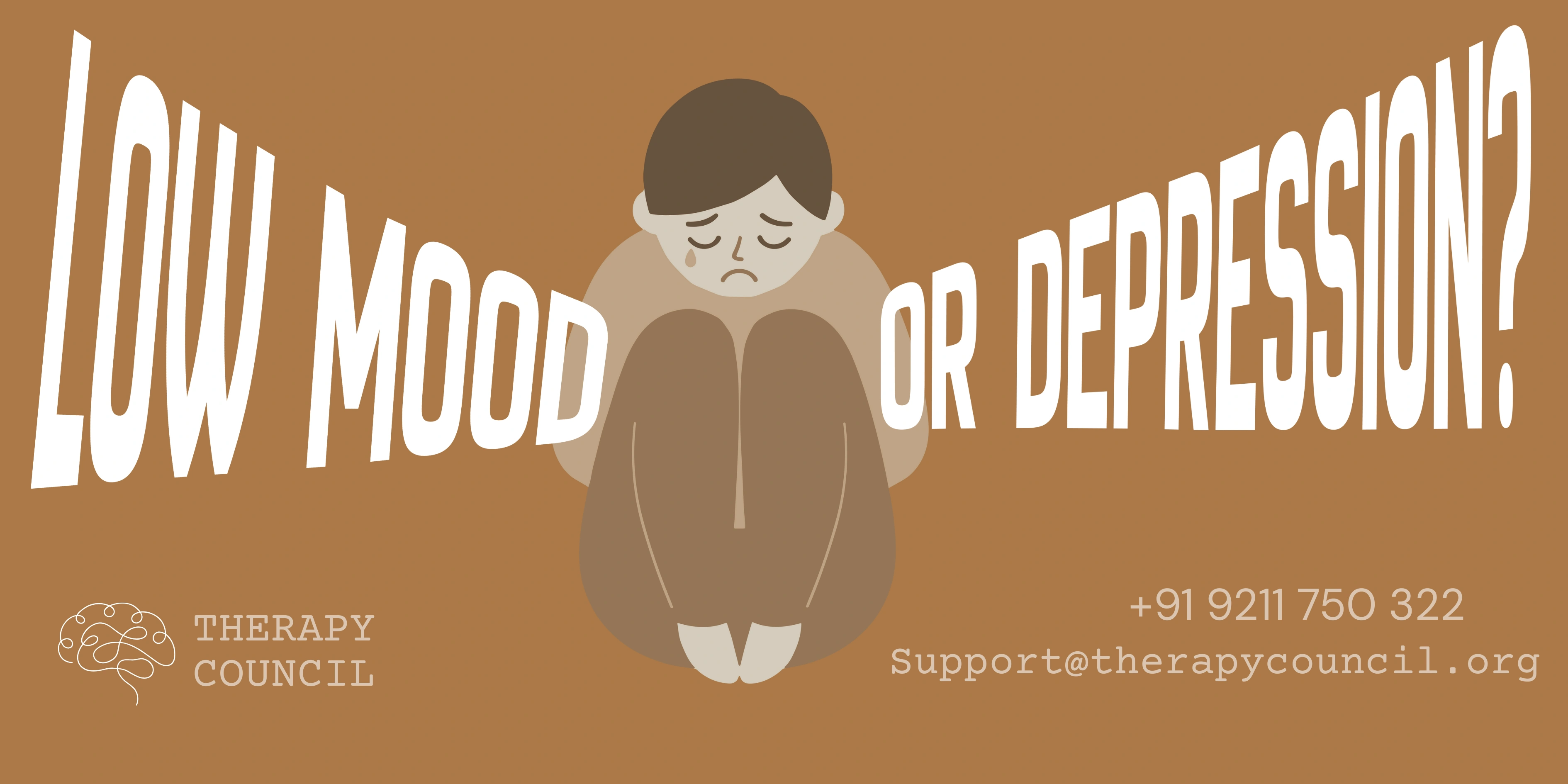
Feeling low sometimes is normal. Depression is different: it lasts longer, affects daily function, and has medical and psychological treatments that work. If you or someone you care about is struggling, help is available and recovery is possible.
This guide will help you understand the difference between temporary low mood and clinical depression, recognize warning signs, and learn about evidence-based treatments that can make a real difference.
1. What Depression Actually Looks Like
Depression is more than just feeling sad. It's a serious mental health condition that affects how you feel, think, and handle daily activities. While everyone experiences occasional sadness or low mood, clinical depression is persistent and significantly impacts your quality of life.
Common Signs and Symptoms
Depression can manifest differently in different people, but common symptoms include:
- Persistent low mood: Feeling sad, empty, or hopeless most of the day, nearly every day for at least two weeks
- Loss of interest or pleasure: Not enjoying activities you used to love, including hobbies, social activities, or sex
- Changes in sleep: Sleeping too much or too little, or experiencing poor quality sleep
- Appetite and weight changes: Significant weight loss or gain, or changes in appetite
- Low energy: Feeling tired, sluggish, or physically drained even after rest
- Difficulty concentrating: Trouble focusing, making decisions, or remembering things
- Feelings of worthlessness or guilt: Excessive self-criticism or guilt about things that aren't your fault
- Physical symptoms: Unexplained aches, pains, or digestive problems that don't respond to treatment
- Thoughts of death or suicide: Recurring thoughts about death, suicidal ideation, or suicide attempts
- Someone has a specific plan or intent to harm themselves
- Someone is talking about wanting to die or feeling like a burden
- Someone is giving away possessions or saying goodbye
- Someone shows sudden improvement after severe depression (can indicate they've made a decision to end their life)
Crisis lines and emergency services are available 24/7. Don't wait.
How Depression Differs from Normal Low Mood
It's normal to feel sad after a loss, disappointment, or stressful event. The key differences with clinical depression include:
- Duration: Symptoms persist for at least two weeks, often much longer
- Intensity: Feelings are more severe and overwhelming
- Impact on function: Significant interference with work, relationships, and daily activities
- Physical symptoms: Noticeable changes in sleep, appetite, and energy levels
- Response to positive events: Good news or positive experiences don't improve mood
2. What Causes It: The Evidence
Depression rarely has a single cause. Research shows it typically arises from a complex interaction of biological, psychological, and social factors. Understanding these factors can help reduce stigma and guide treatment decisions.
Biological Factors
- Brain chemistry: Imbalances in neurotransmitters like serotonin, dopamine, and norepinephrine
- Genetics: Depression often runs in families, suggesting a genetic component
- Hormones: Thyroid problems, hormonal changes during pregnancy, postpartum, or menopause
- Chronic illness: Conditions like diabetes, heart disease, or chronic pain increase depression risk
Psychological Factors
- Trauma: Past abuse, neglect, or traumatic experiences
- Personality traits: Tendencies toward negative thinking or low self-esteem
- Other mental health conditions: Anxiety disorders, PTSD, or substance use disorders
Social and Environmental Factors
- Life stressors: Loss of a loved one, divorce, job loss, or financial problems
- Social isolation: Lack of supportive relationships or feeling disconnected
- Chronic stress: Ongoing difficult situations at work, home, or in relationships
- Substance use: Alcohol or drug misuse can trigger or worsen depression
Important to know: Depression is not a sign of weakness, and it's not something you can simply "snap out of." It's a legitimate medical condition that requires proper treatment.
3. What Actually Helps: Treatments with Evidence
The good news is that depression is one of the most treatable mental health conditions. Most people who seek treatment experience significant improvement. Here are the evidence-based approaches that work:
Psychotherapy (Talk Therapy)
Psychotherapy is a first-line treatment for depression, especially for mild to moderate cases. Several types have strong research support:
- Cognitive Behavioral Therapy (CBT): Helps identify and change negative thought patterns and behaviors. One of the most researched and effective therapies for depression.
- Interpersonal Therapy (IPT): Focuses on improving relationships and communication patterns that contribute to depression.
- Behavioral Activation: Helps you gradually re-engage with activities and routines that bring meaning and pleasure.
- Mindfulness-Based Cognitive Therapy (MBCT): Combines mindfulness practices with cognitive therapy to prevent relapse.
Ready to take the first step?
Our experienced therapists specialize in evidence-based treatments for depression.
Book a Free 15-Minute Screening CallAntidepressant Medications
Medications can be highly effective, especially for moderate to severe depression. They work by balancing brain chemistry:
- SSRIs (Selective Serotonin Reuptake Inhibitors): Most commonly prescribed; generally well-tolerated
- SNRIs (Serotonin-Norepinephrine Reuptake Inhibitors): Another common first-line option
- Other types: Including atypical antidepressants, tricyclics, and MAOIs, prescribed based on individual needs
Important: Medications should only be prescribed and monitored by a qualified psychiatrist or physician. They typically take 2-6 weeks to show full effects, and finding the right medication may require some trial and adjustment.
Combined Treatment
Research shows that for moderate to severe depression, combining therapy and medication is often more effective than either approach alone. Your healthcare provider can help determine the best approach for your situation.
Lifestyle and Complementary Approaches
While not replacements for professional treatment, these can support recovery:
- Regular exercise: Moderate exercise has been shown to reduce depression symptoms
- Sleep hygiene: Maintaining consistent sleep schedules and good sleep habits
- Nutrition: A balanced diet supports overall mental health
- Social connection: Maintaining relationships and seeking support
- Stress reduction: Techniques like meditation, yoga, or relaxation exercises
Note: These lifestyle approaches work best as complements to, not substitutes for, professional treatment when depression is present.
4. How to Decide What You Need Right Now: Practical Triage
Not sure where to start? Here's a practical guide to help you assess what level of support you might need:
Mild Symptoms
What it looks like: Some symptoms present but you're still able to function in most areas of life. You notice changes but can still work, maintain relationships, and care for yourself.
Recommended approach:
- Try structured self-help approaches (see section below)
- Schedule an appointment with a therapist for professional assessment
- Monitor symptoms - if they worsen or persist beyond 2-3 weeks, escalate care
- Consider online therapy or counseling for flexible, accessible support
Moderate Symptoms
What it looks like: Multiple symptoms that noticeably impact your daily functioning. You're struggling at work or school, relationships are affected, self-care is becoming difficult.
Recommended approach:
- Prioritize getting a professional assessment from an experienced therapist or psychologist
- Consider starting regular therapy sessions (weekly or bi-weekly)
- Consult with a psychiatrist about whether medication might help
- Build a support system - inform trusted friends or family
Experiencing moderate symptoms?
Don't wait for things to get worse. Early intervention leads to better outcomes.
Schedule Your Screening TodaySevere Symptoms
What it looks like: Symptoms are overwhelming and severely impacting all areas of life. You may have difficulty getting out of bed, going to work, or caring for yourself. Thoughts of self-harm or suicide may be present.
Recommended approach:
- Seek urgent psychiatric assessment - contact a psychiatrist or emergency services
- Consider intensive treatment options like intensive outpatient programs or, in severe cases, hospitalization
- Ensure you have safe supervision and support - don't stay alone
- Call a crisis helpline immediately if having thoughts of self-harm (numbers below)
- Medication evaluation is typically recommended at this level
5. Quick Self-Help Starter Pack That Actually Helps
While professional help is important for depression, these evidence-informed self-help strategies can support your recovery:
1. Track Your Symptoms
Keep a simple symptom log for 2 weeks to help identify patterns and severity:
- Mood (rate 1-10 daily)
- Sleep quality and duration
- Appetite and eating patterns
- Activity level and energy
- Any triggers or particularly difficult times of day
This information is valuable for your healthcare provider and helps you notice progress.
2. Maintain Scheduled Activities
Behavioral activation is a proven strategy:
- Schedule one activity you used to enjoy for 15 minutes daily, even if you don't feel like it
- Start small - even getting dressed or taking a short walk counts
- Don't wait to "feel like it" - action often precedes motivation in depression
- Gradually increase activity as you're able
3. Practice Good Sleep Hygiene
Sleep problems worsen depression, so protecting sleep is crucial:
- Keep a consistent wake time, even on weekends
- Limit screen time 60 minutes before bed
- Create a calming bedtime routine
- Keep your bedroom cool, dark, and quiet
- Avoid caffeine after 2pm and alcohol before bed
4. Reach Out Daily
Social connection is protective against depression:
- Text, call, or meet with one trusted person each day
- Share honestly about how you're feeling (when comfortable)
- Accept help when offered
- Consider joining a support group (in-person or online)
5. Limit Alcohol and Avoid Drugs
Substance use can worsen depression and interfere with treatment. If you're using substances to cope, discuss this with a healthcare provider.
6. Be Patient and Compassionate with Yourself
Recovery takes time. Treat yourself with the same kindness you'd show a friend going through a difficult time. Small steps forward are still progress.
Crisis Helplines in India
If you're experiencing a mental health crisis or having thoughts of self-harm, immediate support is available 24/7. These helplines are free, confidential, and staffed by trained professionals:
- KIRAN Mental Health Rehabilitation Helpline: 1800-599-0019 (24/7, toll-free)
- Vandrevala Foundation: 1860-2662-345 or 1800-2333-330 (24/7)
- iCall (Tata Institute of Social Sciences): 9152987821 (Monday to Saturday, 8 AM to 10 PM)
- SNEHA Suicide Prevention Centre: +91-44-24640050 (24/7)
- Roshni (Hyderabad): +91-40-66202000, +91-40-66202001
- Samaritans Mumbai: +91-22-64643267 (24/7)
- ASRA (Delhi): +91-11-23389090
- Maithri (Kochi): +91-484-2540530
- Lifeline (Kolkata): +91-33-24637401, +91-33-24637432
- Saath (Ahmedabad): +91-79-26305544, +91-79-26300222
Emergency Services: In case of immediate danger to yourself or others, call emergency services (108/102 in India) or go to the nearest hospital emergency room.
Frequently Asked Questions
How long does depression last?
It varies from person to person. Some depressive episodes last a few weeks, while others can persist for months or longer if untreated. With appropriate treatment, many people experience significant improvement within 6-12 weeks. Early intervention generally leads to faster recovery. However, depression can be recurrent, so ongoing management and monitoring are important even after symptoms improve.
Can therapy alone treat depression?
For mild to moderate depression, therapy alone is often highly effective. Cognitive Behavioral Therapy (CBT), Interpersonal Therapy (IPT), and other evidence-based approaches have strong research support as standalone treatments. For moderate to severe depression, combining therapy with medication is typically recommended as the most effective approach. Your mental health professional can help determine the best treatment plan for your specific situation.
When should I seek urgent help?
Seek immediate help if you have any thoughts of harming yourself or others, if you have a specific plan to end your life, or if you're unable to care for yourself or ensure your safety. Other urgent signs include: sudden worsening of symptoms, complete inability to function in daily life, or psychotic symptoms (hallucinations or delusions). Contact emergency services (108/102), visit an emergency room, or call a crisis helpline immediately. Don't wait or try to handle it alone.
Will depression ever go away completely?
Many people fully recover from depression and experience long periods or even a lifetime without symptoms, especially with proper treatment. However, depression can be recurrent for some individuals. Learning to recognize early warning signs and having a relapse prevention plan can help. Continued self-care, stress management, and staying connected with support systems are important for maintaining mental health.
How do I know if I need medication?
A qualified psychiatrist or physician can help determine if medication is appropriate for you. Generally, medication is more likely to be recommended for moderate to severe depression, depression that hasn't responded to therapy alone, or when there's a family history of depression that responded well to medication. Some people prefer to try therapy first for mild to moderate symptoms. This decision should be made collaboratively with your healthcare provider based on your individual circumstances.
Can lifestyle changes really help with depression?
Yes, lifestyle factors play an important role in both preventing and managing depression. Regular exercise, good sleep, healthy nutrition, social connection, and stress management all have research support. However, for clinical depression, lifestyle changes work best as complements to professional treatment rather than replacements. Think of them as part of a comprehensive approach to mental health.
Is it normal to feel worse before feeling better in therapy?
Some people do experience temporary increases in distress early in therapy as they begin processing difficult emotions or making challenging changes. This is often a normal part of the healing process. However, if you feel significantly worse or unsafe, communicate this to your therapist immediately. They can adjust the approach or pace of treatment. Good therapy should generally help you feel more supported, even when working through difficult material.
How can I support someone with depression?
Listen without judgment, offer practical help (like helping with tasks or accompany them to appointments), encourage them to seek professional help, be patient (recovery takes time), and take care of your own mental health too. Don't try to "fix" them or tell them to "just think positive." Avoid minimizing their experience. If they're in crisis, help them access emergency services.
Take the First Step Toward Feeling Better
Depression is treatable, and you don't have to face it alone. Our experienced therapists are here to support you with evidence-based care tailored to your needs.
Get Started with a Free ConsultationFound this article helpful? Share it with friends, family, or colleagues who might benefit from understanding depression and knowing where to get help.
References & Citations
- American Psychiatric Association. (2013). Diagnostic and Statistical Manual of Mental Disorders (5th ed.). Arlington, VA: American Psychiatric Publishing.
- World Health Organization. (2017). Depression and Other Common Mental Disorders: Global Health Estimates. WHO. Available at: View report on who.int
- National Institute of Mental Health. (2024). Major Depression. NIMH. Available at: View statistics on nimh.nih.gov
- Cuijpers, P., et al. (2020). Psychotherapy for depression across different age groups: A systematic review and meta-analysis. JAMA Psychiatry, 77(7), 694-702.
- Hofmann, S.G., Asnaani, A., Vonk, I.J., et al. (2012). The efficacy of cognitive behavioral therapy: A review of meta-analyses. Cognitive Therapy and Research, 36(5), 427-440.
- National Institute for Health and Care Excellence (NICE). (2022). Depression in adults: treatment and management. NICE Guideline [NG222]. Available at: View guideline NG222 on nice.org.uk
- Malhi, G.S., et al. (2021). Royal Australian and New Zealand College of Psychiatrists clinical practice guidelines for mood disorders. Australian & New Zealand Journal of Psychiatry, 55(1), 7-117.
- Indian Psychiatric Society. (2017). Indian Psychiatric Society Guidelines for Treatment of Depression. Available at: http://www.indianjpsychiatry.org
- Cipriani, A., et al. (2018). Comparative efficacy and acceptability of 21 antidepressant drugs for the acute treatment of adults with major depressive disorder: a systematic review and network meta-analysis. The Lancet, 391(10128), 1357-1366.
- NIMHANS (National Institute of Mental Health and Neuro Sciences). (2024). Mental Health Resources. Available at: Visit nimhans.ac.in