

On this page
- Important Disclaimer
- Introduction
- PCOS: More Common Than You Think
- The Biological Connection
- The Mental Health Statistics
- The Emotional Toll of PCOS
- The Vicious Cycle
- Common Mental Health Challenges
- The Cultural Context in India
- Why Medical Treatment Alone Isn't Enough
- How Therapy Transforms PCOS Management
- Building a Holistic PCOS Management Plan
- When to Seek Therapy
- What to Look for in a Therapist
- Self-Advocacy in Your PCOS Journey
- You're Not Alone
- References & Citations
- About the Author
Your periods are irregular. Your weight fluctuates despite your best efforts. You're dealing with acne, unwanted hair growth, or hair loss. The doctor says it's PCOS. You're relieved to have a diagnosis, but then the anxiety sets in. The mood swings feel uncontrollable. Some days, getting out of bed feels impossible.
If you have Polycystic Ovary Syndrome (PCOS), you already know it's more than a hormonal condition. It affects how you see yourself, how you plan your future, and how you navigate daily life. What many women don't realize is that the connection between PCOS and mental health isn't just in your head. It's biological, psychological, and deeply intertwined.
PCOS: More Common Than You Think
PCOS affects 1 in 10 women of reproductive age globally, according to the World Health Organization. In India, the prevalence is even higher. A 2020 study published in the Journal of Human Reproductive Sciences found that PCOS affects nearly 20% of Indian women of reproductive age, making it one of the most common endocrine disorders in the country.
Despite its prevalence, PCOS remains poorly understood and often dismissed as "just a hormonal issue" or "something that happens to overweight women." Neither is true. PCOS is a complex metabolic and endocrine condition that affects thin and plus-size women alike, and its impact extends far beyond physical symptoms.
The Biological Connection Between PCOS and Mental Health
The link between PCOS and mental health isn't coincidental. It's rooted in biology.
Hormonal Imbalances
PCOS involves elevated androgens (male hormones), insulin resistance, and disrupted reproductive hormones. Research published in the Journal of Clinical Endocrinology & Metabolism in 2021 found that these hormonal imbalances directly affect neurotransmitter production and function.
Specifically, insulin resistance affects serotonin pathways, the neurotransmitter responsible for mood regulation. Women with PCOS often have lower serotonin levels, contributing to depression and anxiety.
Chronic Inflammation
PCOS is associated with chronic low-grade inflammation. A 2019 study in Frontiers in Endocrinology demonstrated that this inflammatory state affects brain chemistry, particularly in regions responsible for emotional regulation and stress response.
Inflammatory markers like C-reactive protein and interleukin-6 are elevated in women with PCOS. These same markers are also elevated in people with depression, suggesting a shared biological pathway.
Insulin Resistance and Brain Function
Approximately 70% of women with PCOS have insulin resistance, according to research in Fertility and Sterility. Insulin resistance doesn't just affect blood sugar. It impacts brain glucose metabolism, which can contribute to brain fog, mood instability, and increased vulnerability to depression.
HPA Axis Dysfunction
The hypothalamic-pituitary-adrenal (HPA) axis, which regulates stress response, is often dysregulated in PCOS. A 2020 study in Psychoneuroendocrinology found that women with PCOS have altered cortisol patterns and heightened stress reactivity, making them more susceptible to anxiety disorders.
The Mental Health Statistics Are Stark
The numbers reveal just how significant the mental health impact of PCOS is:
A 2018 meta-analysis in Human Reproduction found that women with PCOS are:
- 3 times more likely to experience depression
- 5 times more likely to have anxiety disorders
- 4 times more likely to develop eating disorders
Research published in the Journal of Behavioral Medicine in 2019 found that 40% of women with PCOS meet criteria for clinical depression, compared to 19% of women without PCOS.
A 2021 study in PCOS-specific populations found that 50% experienced moderate to severe anxiety, with panic disorder being particularly common.
The Emotional Toll of PCOS Symptoms
Beyond biological factors, the lived experience of PCOS creates significant psychological stress.
Body Image and Self-Esteem
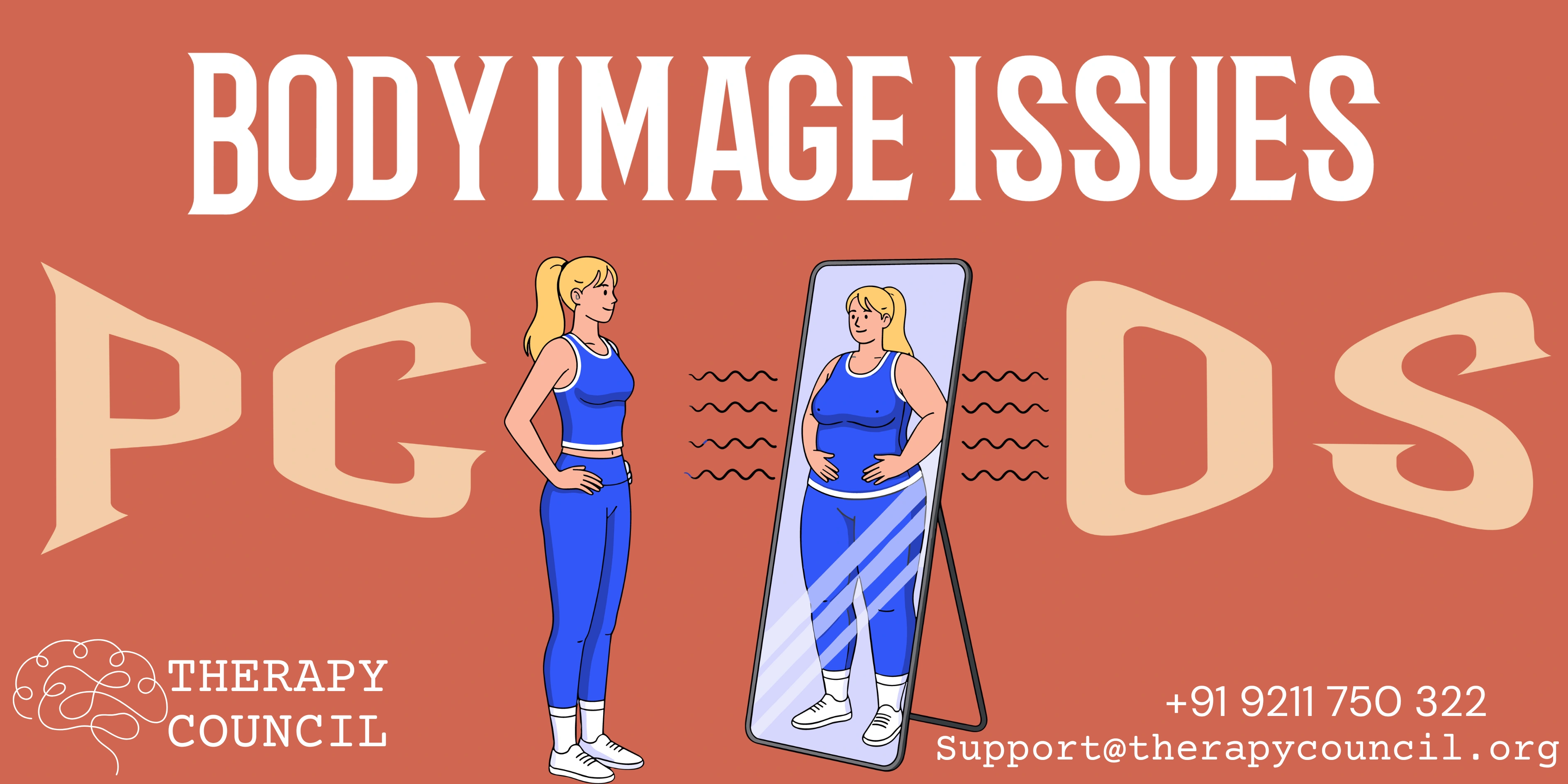
PCOS symptoms directly challenge societal beauty standards. Hirsutism (excess facial and body hair), acne, male-pattern hair loss, and weight gain can profoundly impact self-esteem.
A 2019 study in the Journal of Psychosomatic Obstetrics & Gynecology found that 60% of women with PCOS reported moderate to severe body dissatisfaction. In India, where appearance is often tied to marriage prospects and social acceptance, this distress is amplified.
Women describe feeling "unfeminine," hiding their bodies, avoiding social situations, and experiencing shame about symptoms they can't control.
Weight Struggles and Blame
Weight management with PCOS is biochemically challenging. Insulin resistance makes weight loss difficult, yet doctors often tell women to "just lose weight" to manage symptoms, creating a frustrating cycle.
Research in Obesity Reviews (2020) found that women with PCOS face weight stigma even from healthcare providers, leading to delayed diagnosis and inadequate treatment. The psychological impact includes shame, self-blame, and avoidance of medical care.
Fertility Concerns
PCOS is one of the leading causes of infertility. Even for women not currently trying to conceive, the uncertainty about future fertility creates anxiety.
A 2018 study in Human Fertility found that infertility concerns in PCOS contribute significantly to depression and relationship stress. In cultures where motherhood is deeply valued and family pressure is intense, this anxiety becomes overwhelming.
The Invisibility Factor
PCOS symptoms are often invisible or stigmatized. You might look "fine" to others while struggling internally. There's no cast, no visible wound, no obvious sign you're dealing with a chronic condition.
This invisibility leads to minimization by others and self-doubt. "Am I overreacting?" "Maybe I'm just being weak?" These thoughts compound the psychological burden.
The Vicious Cycle: PCOS and Mental Health Feed Each Other
The relationship between PCOS and mental health is bidirectional:
PCOS worsens mental health through hormonal disruption, symptom-related distress, and chronic disease burden.
Poor mental health worsens PCOS by:
- Increasing cortisol, which worsens insulin resistance
- Disrupting sleep, which affects hormone regulation
- Leading to stress eating or food restriction, both of which impact symptoms
- Reducing motivation for self-care behaviors
- Triggering inflammation through chronic stress
A 2021 study in Clinical Endocrinology found that depression and anxiety independently predict worse PCOS symptom severity over time. Breaking this cycle requires addressing both the physical and psychological aspects simultaneously.
Common Mental Health Challenges with PCOS
Depression
PCOS-related depression isn't just sadness about symptoms. It's often a clinical condition driven by hormonal and inflammatory factors. Symptoms include:
- Persistent low mood or emptiness
- Loss of interest in activities
- Fatigue and low energy (beyond normal tiredness)
- Changes in appetite and sleep
- Difficulty concentrating
- Feelings of worthlessness or hopelessness
- In severe cases, suicidal thoughts
Anxiety Disorders
Women with PCOS commonly experience:
Generalized Anxiety: Constant worry about health, fertility, appearance, and future.
Social Anxiety: Fear of judgment about visible PCOS symptoms (facial hair, acne, weight).
Panic Disorder: A 2020 study in Gynecological Endocrinology found panic attacks are significantly more common in PCOS, possibly related to hormonal fluctuations.
Health Anxiety: Worry about PCOS complications (diabetes, heart disease, cancer).
Eating Disorders
Research in the International Journal of Eating Disorders (2019) found that women with PCOS have significantly higher rates of:
- Binge eating disorder
- Bulimia nervosa
- Orthorexia (obsession with "healthy" eating)
- Emotional eating patterns
The relationship between food, weight, and PCOS management creates vulnerability to disordered eating. Restrictive diets recommended for PCOS can trigger or worsen eating disorders.
Body Dysmorphia
Preoccupation with perceived physical flaws related to PCOS symptoms can escalate into body dysmorphic disorder. A 2021 study found elevated rates of body dysmorphia in women with PCOS, particularly those with visible symptoms like hirsutism.
The Cultural Context in India
In India, PCOS carries additional psychological burdens:
Marriage Pressure
Families often pressure women to marry young. PCOS symptoms, especially fertility concerns and appearance changes, can delay marriage or create stress about "disclosing" PCOS to potential partners.
Research in the Indian Journal of Endocrinology and Metabolism (2020) found that unmarried women with PCOS in India report higher anxiety specifically related to marriage prospects.
Fertility Expectations
The cultural emphasis on motherhood makes fertility concerns particularly distressing. Women face questions about children from relatives, social pressure to conceive quickly after marriage, and stigma around fertility treatments.
Beauty Standards
Fair skin, thick hair, and a slim figure are culturally prized. PCOS symptoms like acne, hirsutism, hair loss, and weight gain directly contradict these standards, creating intense psychological distress.
Medical Dismissal
Many Indian women report their PCOS symptoms being dismissed by doctors as "normal," "cosmetic," or "something that will resolve with marriage and pregnancy." This medical gaslighting delays diagnosis and worsens mental health.
Why Medical Treatment Alone Isn't Enough
Standard PCOS treatment includes birth control pills, metformin, anti-androgens, and lifestyle modification. While these manage physical symptoms, they don't address the psychological impact.
A 2019 systematic review in Clinical Endocrinology found that medical management of PCOS symptoms only partially improved mental health outcomes. Depression and anxiety often persisted even when physical symptoms improved.
This is because:
- The psychological patterns developed while struggling with symptoms don't automatically resolve
- The chronic disease burden remains
- Underlying thought patterns about body image, self-worth, and fertility need active intervention
- Behavior change (diet, exercise) requires psychological support to sustain
How Therapy Transforms PCOS Management
Therapy for PCOS isn't just about "feeling better." It's a crucial component of comprehensive care that addresses the psychological, behavioral, and emotional aspects of living with a chronic condition.
Cognitive Behavioral Therapy (CBT)
CBT is highly effective for PCOS-related mental health issues. Research in the Journal of Clinical Psychology in Medical Settings (2020) found that CBT significantly reduced depression and anxiety in women with PCOS.
CBT helps you:
- Identify negative thought patterns about your body, worth, and future
- Challenge unhelpful beliefs ("I'm broken," "I'll never be healthy")
- Develop coping strategies for symptom flare-ups
- Manage catastrophic thinking about fertility and health
- Build behavioral activation to counter depression
Body Image Therapy
Specialized body image work addresses the unique challenges of PCOS symptoms. A 2021 study in Body Image journal found that body image interventions improved quality of life in PCOS beyond what symptom management alone achieved.
Therapy helps you:
- Separate your worth from your appearance
- Challenge internalized beauty standards
- Develop compassion for your body
- Process grief about body changes
- Build resilience against appearance-based criticism
Acceptance and Commitment Therapy (ACT)
ACT is particularly helpful for chronic conditions. It focuses on accepting what you can't control while taking action aligned with your values.
For PCOS, this means:
- Accepting the diagnosis while still pursuing treatment
- Making peace with uncertainty about fertility
- Living meaningfully despite symptoms
- Reducing struggle with uncomfortable thoughts and feelings
Dialectical Behavior Therapy (DBT)
DBT skills are valuable for managing the emotional intensity that comes with PCOS, particularly hormonal mood swings.
DBT teaches:
- Emotion regulation skills
- Distress tolerance for symptom flare-ups
- Mindfulness for present-moment awareness
- Interpersonal effectiveness for communicating needs
Nutritional Psychology Support
Working with a therapist who understands both PCOS and eating psychology can help you:
- Develop a healthy relationship with food
- Navigate PCOS dietary recommendations without developing disordered eating
- Address emotional eating patterns
- Reduce food-related anxiety
- Build sustainable eating habits rather than restrictive diets
Fertility Counseling
If fertility is a concern, specialized fertility counseling provides:
- Emotional support through fertility treatment
- Coping strategies for pregnancy loss
- Decision-making support about family building options
- Management of grief and uncertainty
- Relationship support through fertility challenges
Couples and Relationship Therapy
PCOS affects relationships. Partners may not understand the condition, symptoms can impact intimacy, and fertility concerns create stress. Couples therapy helps:
- Educate partners about PCOS
- Improve communication about symptoms and needs
- Navigate fertility decisions together
- Rebuild intimacy affected by PCOS symptoms
- Strengthen the relationship through chronic illness challenges
Building a Holistic PCOS Management Plan
Effective PCOS care integrates medical and psychological support:
Medical Management:
- Endocrinologist or gynecologist for hormone management
- Medication when appropriate (metformin, birth control, anti-androgens)
- Regular monitoring of metabolic markers
- Treatment of specific symptoms (acne, hirsutism)
Lifestyle Support:
- Nutrition guidance from a PCOS-informed dietitian
- Exercise recommendations that reduce stress rather than add to it
- Sleep hygiene for hormone regulation
- Stress management practices
Psychological Support:
- Individual therapy for depression, anxiety, body image
- Support groups with other women with PCOS
- Couples therapy if needed
- Psychiatric care if medication for mental health is warranted
Research in the European Journal of Obstetrics & Gynecology (2021) found that integrated care models combining medical and psychological treatment produced significantly better outcomes than either approach alone.
When to Seek Therapy for PCOS
Consider therapy if you're experiencing:
- Persistent sadness, hopelessness, or loss of interest in life
- Anxiety that interferes with daily functioning
- Preoccupation with appearance or weight
- Disordered eating patterns
- Difficulty accepting your diagnosis
- Relationship strain due to PCOS
- Fertility-related distress
- Difficulty maintaining healthy lifestyle changes
- Self-harm thoughts or suicidal ideation (seek immediate help)
You don't need to be in crisis to benefit from therapy. Proactive mental health support can prevent more serious issues and improve your quality of life significantly.
What to Look for in a PCOS-Informed Therapist
Not all therapists understand PCOS. Look for:
- Experience with chronic illness or women's health issues
- Understanding of the medical aspects of PCOS
- Non-judgmental approach to weight and body image
- Knowledge of the fertility-mental health connection
- Familiarity with the cultural context (particularly important in India)
- Evidence-based approaches (CBT, ACT, DBT)
- Willingness to collaborate with your medical team
Self-Advocacy in Your PCOS Journey
Living with PCOS requires advocating for yourself:
With healthcare providers: Insist that your mental health concerns are taken seriously. PCOS isn't "just" a physical condition.
With family: Educate loved ones about PCOS and set boundaries around unsolicited advice about weight, marriage, or fertility.
With yourself: Practice self-compassion. You're managing a complex chronic condition. Struggling doesn't mean you're weak or failing.
You're Not Alone
PCOS can feel isolating, but millions of women share this experience. The psychological impact is real, valid, and deserves treatment just as much as the physical symptoms.
Managing PCOS isn't about "fixing" yourself. It's about building a life that works for you, developing resilience, and finding support when you need it. Therapy isn't a sign of weakness. It's a powerful tool for navigating a challenging condition with greater ease and self-compassion.
Your worth isn't determined by your hormones, your weight, your appearance, or your fertility. You deserve support, understanding, and comprehensive care that addresses both your body and your mind.
References & Citations
- World Health Organization. (2023). Polycystic Ovary Syndrome. Retrieved from WHO website.
- Kumar, A., et al. (2020). "Prevalence of PCOS in Indian women: A systematic review." Journal of Human Reproductive Sciences.
- Journal of Clinical Endocrinology & Metabolism. (2021). "Hormonal imbalances and neurotransmitter function in PCOS."
- Frontiers in Endocrinology. (2019). "Chronic inflammation and brain chemistry in PCOS."
- Fertility and Sterility. "Insulin resistance in PCOS: Prevalence and brain glucose metabolism."
- Psychoneuroendocrinology. (2020). "HPA axis dysfunction in PCOS."
- Human Reproduction. (2018). "Meta-analysis: Mental health outcomes in PCOS."
- Journal of Behavioral Medicine. (2019). "Depression prevalence in PCOS populations."
- Journal of Psychosomatic Obstetrics & Gynecology. (2019). "Body dissatisfaction in women with PCOS."
- Obesity Reviews. (2020). "Weight stigma in PCOS healthcare."
- Human Fertility. (2018). "Fertility concerns and mental health in PCOS."
- Clinical Endocrinology. (2021). "Depression and anxiety predicting PCOS symptom severity."
- Gynecological Endocrinology. (2020). "Panic disorder in PCOS."
- International Journal of Eating Disorders. (2019). "Eating disorders in PCOS."
- Indian Journal of Endocrinology and Metabolism. (2020). "Marriage-related anxiety in Indian women with PCOS."
- Clinical Endocrinology. (2019). "Systematic review: Medical management and mental health outcomes in PCOS."
- Journal of Clinical Psychology in Medical Settings. (2020). "CBT effectiveness for PCOS-related mental health."
- Body Image. (2021). "Body image interventions in PCOS."
- European Journal of Obstetrics & Gynecology. (2021). "Integrated care models for PCOS."
Get Support for PCOS and Mental Health
At Therapy Council, we connect you with qualified therapists who understand the complex relationship between PCOS and mental health. Our therapists offer specialized support for chronic illness, body image, eating disorders, fertility counseling, and culturally sensitive care for Indian women.
You don't have to navigate PCOS alone. Get the mental health support you deserve.
Book Your SessionIf you're experiencing a mental health crisis, please contact emergency services or call the KIRAN Mental Health Helpline at 1800-599-0019.