

On this page
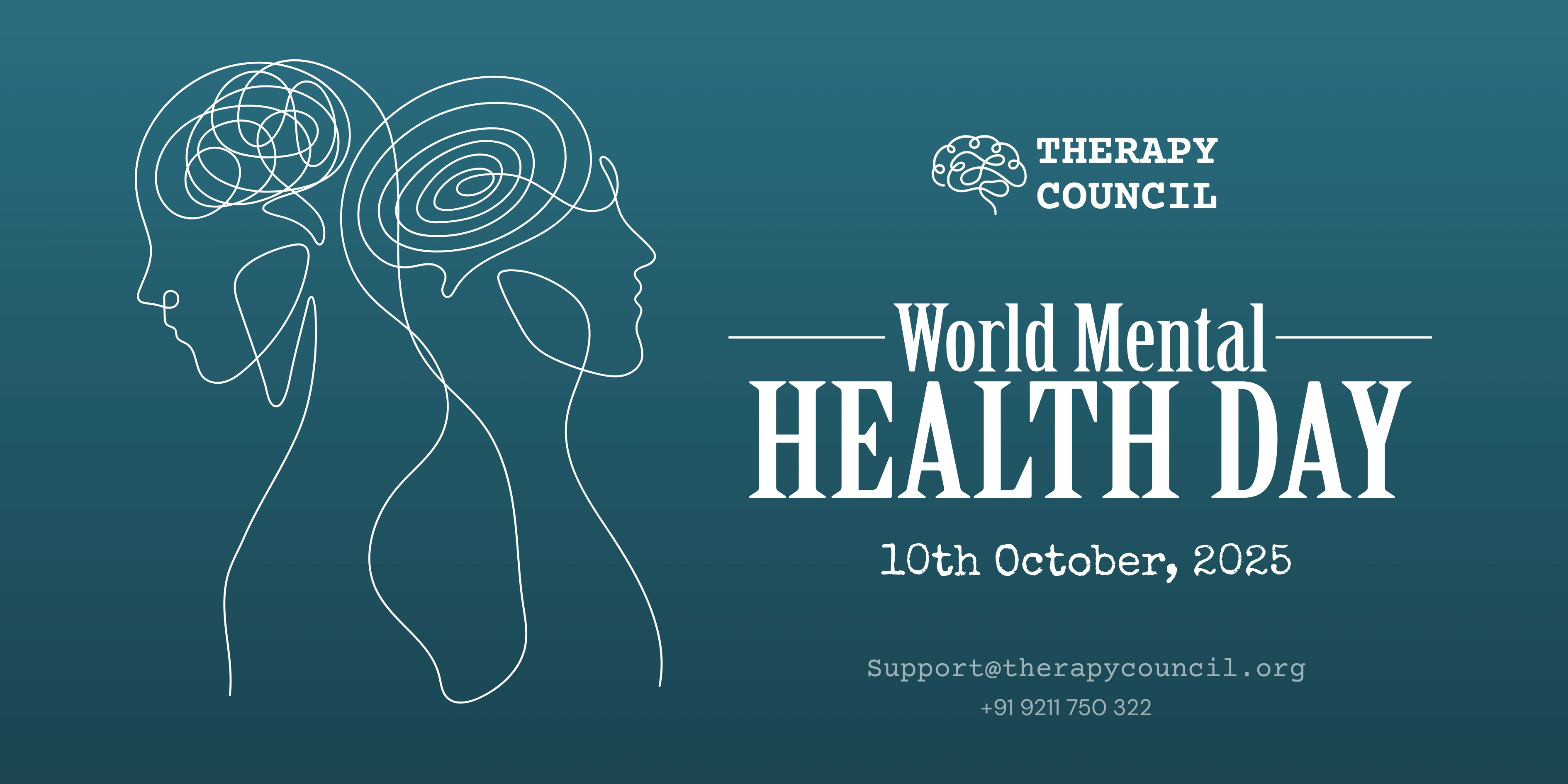
Mental Health Day (currently observed worldwide on October 10th) is more than just a date on the calendar. It's a reminder that mental well-being deserves as much attention as physical health. In a time when stress, burnout, and isolation are rising globally, dedicating one day to awareness, reflection, and action can spark deeper, lasting change.
In this guide, you'll learn the origins of Mental Health Day, discover meaningful ways to observe it, and find self-care strategies you can adopt not just for a day, but long term.
The History & Significance of Mental Health Day
World Mental Health Day was first observed on October 10, 1992, initiated by the World Federation for Mental Health (WFMH). The goal was simple yet powerful: raise awareness about mental health issues and mobilize efforts in support of mental well-being around the world.
Over the past three decades, Mental Health Day has evolved from a small advocacy initiative into a global movement. Today, governments, NGOs, healthcare organizations, and individuals across 150+ countries participate through campaigns, events, webinars, and social media movements.
The day serves multiple purposes:
- Reducing stigma around mental illness
- Promoting mental health education and awareness
- Advocating for better policies and resources
- Encouraging people to seek help without shame
Mental Health Day 2025: Theme & Focus
Each year, the World Health Organization (WHO) and WFMH announce a theme for World Mental Health Day. These themes guide global conversations and campaigns.
For 2025, the focus continues to emphasize:
- Mental Health as a Universal Human Right – ensuring everyone has access to quality mental health care
- Workplace Mental Health – addressing burnout, stress, and creating supportive work environments
- Youth Mental Health – responding to rising anxiety, depression, and loneliness among young people
This year's message is clear: mental health is not a privilege; it's a fundamental right that should be accessible to all, regardless of background, location, or economic status.
Common Mental Health Challenges & Why Awareness Helps
Mental health challenges are more common than many realize. According to the WHO, 1 in 8 people globally live with a mental health condition. Yet stigma, lack of resources, and misinformation prevent millions from seeking help.
Some of the most prevalent mental health issues include:
- Anxiety Disorders: Persistent worry, panic attacks, social anxiety
- Depression: Prolonged sadness, loss of interest, hopelessness
- Burnout: Chronic workplace stress leading to exhaustion and cynicism
- Post-Traumatic Stress Disorder (PTSD): Following trauma or distressing events
- Substance Use Disorders: Often co-occurring with other mental health conditions
Awareness campaigns like Mental Health Day help by:
- Breaking down stigma and normalizing conversations about mental health
- Educating the public on symptoms and warning signs
- Encouraging early intervention and treatment
- Connecting people with resources, hotlines, and professional support
Self-Care Tips to Honor Mental Health Day
Mental Health Day is an excellent opportunity to reflect on your own well-being and adopt healthier habits. Here are evidence-based self-care strategies you can start today:
Practice Mindfulness or Meditation
Mindfulness helps you stay present and reduces anxiety by calming the mind. Even 5-10 minutes of daily meditation can make a difference. Apps like Headspace, Calm, or Insight Timer offer guided sessions for beginners.
- Focus on your breath
- Observe your thoughts without judgment
- Practice body scan meditation to release tension
Digital Detox / Limit Screen Time
Excessive screen time, especially on social media, is linked to increased anxiety, depression, and sleep problems. Consider setting boundaries:
- Turn off non-essential notifications
- Schedule "no-phone" hours, especially before bed
- Unfollow accounts that trigger stress or comparison
- For more strategies, read our guide on Digital Detox vs. Digital Balance
Connect with Loved Ones / Talk It Out
Human connection is essential for mental well-being. Reach out to friends, family, or support groups. Talking openly about your feelings can reduce isolation and provide perspective.
- Schedule regular check-ins with close friends
- Join community groups or online support forums
- Don't hesitate to share your struggles; vulnerability builds deeper connections
Physical Exercise, Sleep, Nutrition
Your physical health directly impacts your mental health. Regular exercise releases endorphins, improves mood, and reduces stress.
- Exercise: Aim for 30 minutes of moderate activity most days (walking, yoga, cycling)
- Sleep: Prioritize 7-9 hours of quality sleep; maintain a consistent sleep schedule
- Nutrition: Eat balanced meals rich in omega-3s, whole grains, fruits, and vegetables
Seek Professional Help if Needed
There's no shame in asking for help. If you're experiencing persistent sadness, anxiety, or thoughts of self-harm, reach out to a mental health professional.
Professional therapy can help you:
- Understand the root causes of your struggles
- Develop effective coping strategies
- Receive evidence-based treatment (CBT, DBT, medication if needed)
- Build resilience and long-term mental wellness
How You (or Your Organization) Can Observe It
Mental Health Day isn't just for individuals. Organizations, schools, and communities can make a significant impact by hosting events and campaigns.
Ideas for individuals:
- Share mental health resources on social media using hashtags like #WorldMentalHealthDay and #MentalHealthMatters
- Start a conversation with friends or colleagues about mental well-being
- Donate to mental health organizations or volunteer your time
- Take time for self-reflection and personal wellness activities
Ideas for organizations and workplaces:
- Host webinars or workshops on stress management, mindfulness, or resilience
- Offer mental health days or wellness breaks for employees
- Partner with mental health NGOs to raise awareness and funds
- Create safe spaces for employees to discuss mental health without stigma
- Share stories of recovery and hope to inspire others
Mental Health Resources & Tools
If you or someone you know needs support, here are trusted mental health resources:
International Resources:
India-Specific Resources:
- Vandrevala Foundation Helpline: 1860-2662-345 / 1800-2333-330 (24/7 support)
- NIMHANS Helpline (Bangalore): 080-46110007
- iCall (TISS): 9152987821 (Monday-Saturday, 8 AM - 10 PM)
- Therapy Council: Book a confidential online therapy session
Mental Health Apps:
- Headspace – Meditation and mindfulness
- Calm – Sleep stories and relaxation
- Moodpath – Mental health checkup and tracking
- Wysa – AI-based mental health support
What You Can Do Beyond Just One Day
While Mental Health Day is important, real change happens when we make mental wellness a daily priority. Here's how to build sustainable habits:
Create a Monthly Self-Care Routine:
- Schedule regular "me time" for activities you enjoy
- Practice gratitude journaling
- Set boundaries around work and personal life
Advocate for Mental Health:
- Educate others by sharing articles and resources
- Challenge stigma when you encounter it
- Support mental health policies and funding in your community
Build a Culture of Mental Well-Being:
- Check in on friends and colleagues regularly
- Create safe spaces for open conversations
- Model healthy behavior by prioritizing your own mental health
Conclusion & Call to Action
Mental Health Day 2025 is a powerful reminder that mental well-being matters, not just today, but every day. Whether you're dealing with your own mental health challenges or supporting someone else, taking action can make all the difference.
The most important step is the first one: acknowledging that mental health is just as important as physical health, and that seeking help is a sign of strength, not weakness.
Ready to prioritize your mental health? Adopt at least one self-care tip from this guide today. Whether it's practicing mindfulness, setting digital boundaries, or reaching out to a professional, every small action counts.
If you or someone you know is struggling, book a confidential therapy session with our experienced mental health professionals. Your journey to mental wellness starts here.
Found this article helpful? Share it with friends, family, or colleagues who might benefit from understanding Mental Health Day and taking steps toward better mental well-being.
References & Citations
- World Health Organization. (2022). World Mental Health Report: Transforming mental health for all. WHO. Available at: View report on who.int
- World Federation for Mental Health. (2023). World Mental Health Day Resources. WFMH. Available at: Visit wfmh.global
- Mental Health Foundation. (2023). Mental Health Statistics: UK and Worldwide. Available at: Visit mentalhealth.org.uk
- American Psychological Association. (2023). Stress in America: Technology and Social Media. APA. Available at: Read report on apa.org
- National Institute of Mental Health. (2023). Mental Illness Statistics. NIMH. Available at: View statistics on nimh.nih.gov
- Hoge, E. A., Bui, E., Palitz, S. A., et al. (2018). The effect of mindfulness meditation training on biological acute stress responses in generalized anxiety disorder. Psychiatry Research, 262, 328-332.
- Sarris, J., O'Neil, A., Coulson, C. E., Schweitzer, I., & Berk, M. (2014). Lifestyle medicine for depression. BMC Psychiatry, 14, 107.
- Blumenthal, J. A., Smith, P. J., & Hoffman, B. M. (2012). Is exercise a viable treatment for depression? ACSM's Health & Fitness Journal, 16(4), 14-21.